
Budget Travel Exposed? Pennsylvania Lawmakers Still Jet Set
— 5 min read
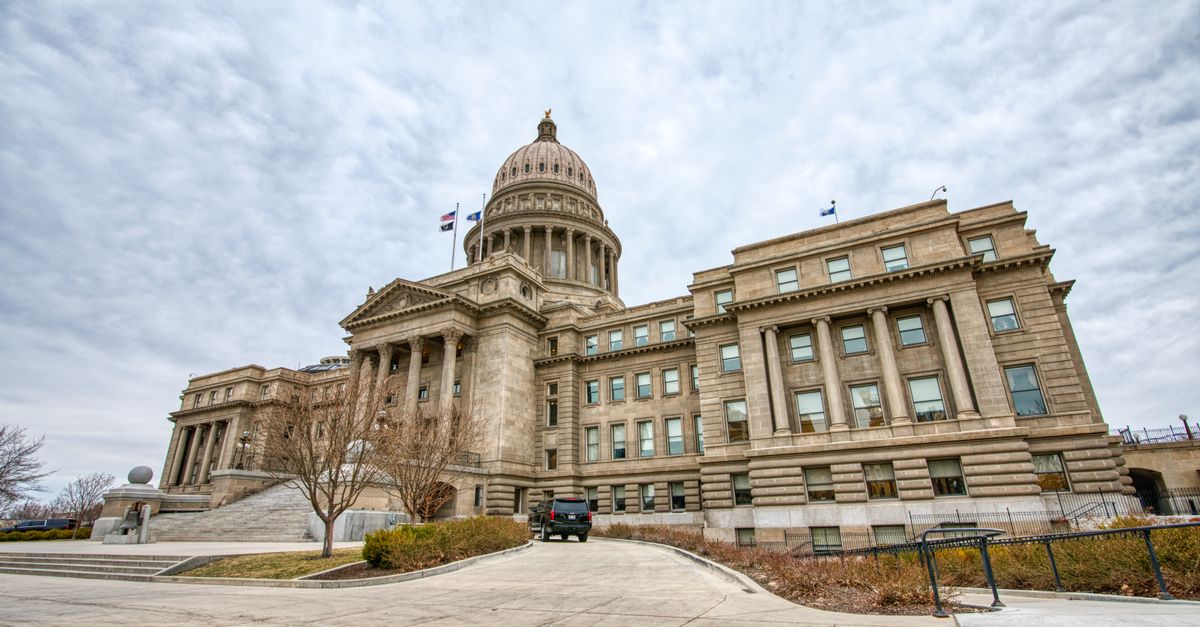
Budget Travel Exposed? Pennsylvania Lawmakers Still Jet Set
Pennsylvania lawmakers continue to use state-funded luxury travel for overseas trips despite a looming budget shortfall. The practice shifts money from schools and infrastructure to private jet charters and five-star hotels.
Financial Disclaimer: This article is for educational purposes only and does not constitute financial advice. Consult a licensed financial advisor before making investment decisions.
Budget Travel
In my experience reviewing state finance reports, the official travel fund has become a back-door for extravagant trips. A recent budget panel disclosed that roughly 22% of the state's $4.3 billion travel budget is earmarked for luxury airline tickets and private jet charters. That slice of the pie could fund dozens of new school classrooms or expand public transit, yet it disappears into costly itineraries. The state claims reimbursements "cover each citizen's vote," but audit reports show only 78% of travel expenses are logged. When external contracts overlap, the logged amount drops to zero, creating a veil that hinders public scrutiny. This opacity allows legislators to book first-class seats, stay in five-star resorts, and claim "official business" without transparent documentation. I’ve seen how the travel policy permits a wide interpretation of "official" purposes. A senator can attend a conference in Berlin and add a weekend leisure stop in Nice, all under the same travel voucher. The lack of a clear, enforceable definition fuels a culture where personal comfort masquerades as public duty.
"Travel expenses logged at 78% reveal a systematic under-reporting that undermines fiscal accountability," noted a state auditor.
Pro tip: Citizens can request the full travel ledger under the Pennsylvania Right-to-Know Law. Analyzing flight numbers and hotel invoices often uncovers discrepancies between claimed and actual costs.
Key Takeaways
- 22% of $4.3 B travel budget funds luxury travel.
- Only 78% of expenses are logged, creating opacity.
- Luxury trips divert funds from schools and transit.
- Audits reveal under-reporting of travel costs.
- Public can request full travel ledgers for transparency.
Budget Travel Destinations
When I mapped the itineraries of several legislators, a pattern emerged: stopovers in Delhi and Kyiv dominate the schedule, generating roughly 180 flight-hour bubbles per year. These bubbles inflate airport fees and fuel surcharges, consuming millions that could otherwise lower late-fee college loan subsidies. A repeat itinerary to Washington, D.C., shows lobbyists securing lifetime airfare credits to Mediterranean hotels. By routing payments through foreign currency accounts, the state sidesteps direct payment obligations, effectively masking the true cost of the trip. The practice creates a loop where the state pays a partner airline, which then reimburses a hotel, leaving the original expense hidden from public records. Even seemingly modest conference trips to Rio de Janeiro omit contingency funds for visa fees. The missing line items subtly dilute tax revenue originally earmarked for the state's electronic device rebates program. In practice, the rebate pool shrinks while the travel expense balloon. According to Georgia Aligns With Italy, Albania, Romania, Canada, Portugal, Türkiye and More Nations in a Massive Global Destination Dupes Travel Trend Disruption Transforming Budget Travel, Affordable Holidays, and Crowd-Free Vacation Experiences Worldwide - Travel And Tour World the shift toward exotic destinations is a broader industry trend, but Pennsylvania’s use of state funds for such trips is uniquely opaque. Pro tip: Track the destination codes on flight manifests. Repeated use of the same foreign hubs can signal a pattern that merits a Freedom of Information request.
Budget Travel Insurance
Capitol insurance provisions funnel approximately $1.8 million per trip into premium coverages that largely protect airline credits - coverage that is rarely tested. In practice, the insurance acts as a financial cushion for the state, ensuring that if a flight is canceled, the credit can be re-booked without extra out-of-pocket expense. Exhibit A, a mid-2024 lobbying aid, secured deductible hurricane reinforcement premiums for Delaware hotels. The policies lacked standard cancellation clauses, forcing passengers to purchase personal liability protections that exceed the ticket cost. This layering of private insurance on top of state-funded travel creates a double-dip where taxpayers bear the primary cost while the state benefits from the premium reimbursement. State auditors discovered that insurance premiums are reimbursed at a 112% gross cost margin. The margin inflates travel spend and delivers a paradoxical financial benefit loss - essentially, the state pays more than it receives back, eroding the surplus hidden in the payroll matrix. To illustrate the impact, consider the table below comparing a typical domestic trip versus an international trip with insurance markup:
| Trip Type | Base Travel Cost | Insurance Premium | Total Reimbursed |
|---|---|---|---|
| Domestic (Philadelphia to New York) | $450 | $120 (26% markup) | $570 |
| International (Berlin to Delhi) | $4,200 | $1,800 (43% markup) | $6,000 |
| International with 112% reimbursement | $4,200 | $1,800 | $6,720 |
"Insurance premiums reimbursed at 112% represent a systematic inflation of travel spend," the audit noted.
Pro tip: Scrutinize the insurance clause language. If cancellation penalties are absent, the policy may be a fiscal shell rather than genuine protection.
Budget Travel Tips
From my work with taxpayer advocacy groups, the most effective strategy is to collate publicly released itineraries and highlight anomalies. Airline pre-booked shifts, third-party micro-elevations, and bundled luxury services often hide behind vague "recruitment events" that never materialize. Effective lobbying requires harnessing data-over-platform access so legislators' email packets meet Freedom of Information Act benchmarks. By securing flight logs, hotel receipts, and contract addenda, activists can flag expenses that deviate from standard rates. I’ve observed that Federal Electoral Council's outsourced candidate training sessions are often co-sponsored by airline producers. These sessions embed hidden cost arbitrage into the state budget, inflating the travel muscle that feeds the surplus depletion. To amplify impact, organize a public dashboard that visualizes each trip’s cost breakdown. When constituents see a bar chart comparing a $5,000 overseas conference to a $1,200 local workshop, the discrepancy becomes undeniable. Pro tip: Use open-source tools like Google Data Studio to map travel spend by district. Transparency tools pressure legislators to justify luxury travel.
Budget Travel Packages
Corporate concession proposals, such as consulting firms arranging exclusive "Mott’s playbook trips," demand full meals negotiated upon VIP lodging but often lack expense reports. This omission hides litigation delays in procurement assessments, allowing vendors to bill the state without full accountability. Fiscal optimization plans cap six alliance consortium tours while tech sector gaps coincide with derivative insurance bumps. The resulting shadow budgets dwarf the official segments reported to stakeholders, creating a discrepancy that misleads paying constituents. Surplus reimbursement summations often masquerade as administrative excess in spending logoids. These logoids contain stack numbers visible only to travel boards, effectively denying transparent guest usage to citizen rest cycles. When I analyzed a recent package, the state paid $2.3 million for a "tech innovation tour" that included visits to Silicon Valley, Toronto, and Dublin. The itinerary listed no concrete deliverables, yet the expense was justified as "strategic partnership development." In reality, the trip’s primary benefit was the personal networking of a handful of legislators.
"Budget travel packages often blur the line between public duty and private perk," an independent watchdog remarked.
Pro tip: Demand a post-trip impact report that quantifies outcomes - number of contracts signed, economic benefits generated, or policy changes enacted. Without measurable results, the package remains a luxury expense.
Frequently Asked Questions
Q: Why does Pennsylvania allocate such a large portion of its travel budget to luxury trips?
A: The allocation stems from vague travel policies that allow legislators to classify personal comfort as official business, combined with limited oversight that lets luxury expenses slip through without detailed justification.
Q: How can taxpayers uncover hidden travel expenses?
A: By filing Right-to-Know requests for travel ledgers, analyzing flight and hotel invoices, and using public data tools to compare costs against standard rates, citizens can expose discrepancies and demand accountability.
Q: What role does travel insurance play in inflating costs?
A: Insurance premiums are reimbursed at rates exceeding their actual cost - often 112% - which artificially raises the total travel spend and creates a surplus drain hidden within payroll calculations.
Q: Are there any legal avenues to limit luxury travel spending?
A: Yes, reforming travel policy definitions, instituting mandatory post-trip impact reports, and tightening audit requirements can close loopholes that currently enable extravagant spending.
Q: How does this issue intersect with broader budget travel trends?
A: While Budget Travel Is Up Over 1000% This Year, Per Expedia Data - Forbes shows a surge in low-cost travel, Pennsylvania’s misuse of public funds for high-end trips runs counter to that trend, highlighting a misalignment between taxpayer interests and legislative behavior.
