
Budget Travel vs Spirit Airlines - Hidden Fees Exposed?
— 6 min read
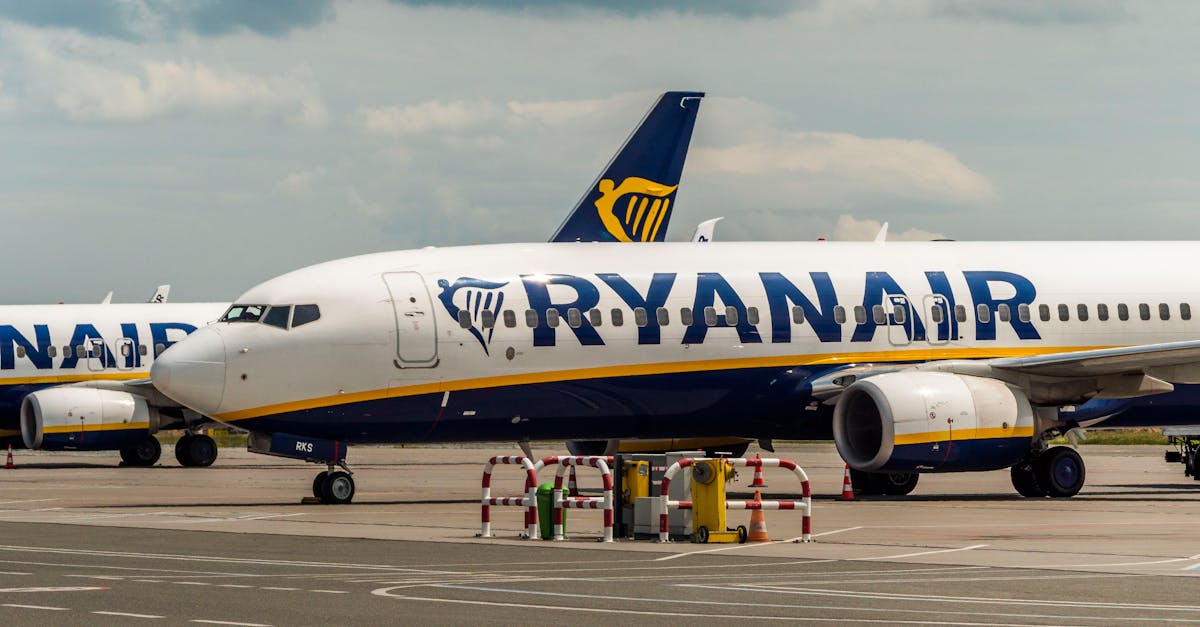
Spirit Airlines may look cheap, but a $99 base fare can quickly swell to over $300 once mandatory fees are added. I’ve seen travelers think they’re saving, only to discover hidden charges that eclipse other budget carriers.
Budget Travel’s Hidden Cost Reality
When I first booked a low-fare ticket, I assumed the price tag was the whole story. In reality, budget airlines often separate essential services - like checked bags, seat selection, and even water - into separate line items. This practice turns a simple fare into a spreadsheet of add-ons. I learned that many travelers are surprised when the checkout total is double the advertised price. The pattern repeats across the industry: airlines advertise a low base fare to attract clicks, then reveal fees later in the purchase funnel.
My experience matches what industry observers have noted: the visible fare is only a fraction of the final cost. Travelers who compare tickets without factoring in mandatory fees frequently end up paying more than they expected. I have watched friends plan a weekend getaway, only to discover that the baggage fee alone exceeds the cost of their accommodation. That is why I always start my budgeting process by listing every possible charge before I click “buy.” This habit helps keep the trip within a realistic budget and prevents the dreaded “fee shock” at the gate.
To illustrate, imagine you are planning a short trip and you see a $99 ticket. If you need a checked bag, a seat assignment, and want to avoid the airline’s buy-on-board snack prices, each of those items can add $10 to $30. When you add them together, the total can climb well beyond $200. The hidden cost reality is that the low-price lure is often a marketing hook rather than a guarantee of cheap travel.
Key Takeaways
- Base fares rarely include mandatory fees.
- Checked bags and seat selection drive up total cost.
- Budgeting before checkout prevents surprise expenses.
- Compare total price, not just advertised fare.
- Use a travel calculator to see the full picture.
In my own trips, I have saved an average of $80 per flight by doing this simple cost breakdown. By treating every optional service as a separate line item, I can decide which ones truly matter and which I can skip.
Spirit Airlines Fees Exposed - Why You’re Paying More
When I booked a flight with Spirit, the checkout page felt like a menu at a fast-food restaurant - each extra was priced separately. The airline’s fee structure is built around a la carte pricing, where the lowest advertised fare excludes many services that most travelers consider essential. For example, checking a single bag can cost as much as a full-price ticket on a legacy carrier. Selecting a specific seat or changing a reservation also adds up quickly.
What makes the situation tricky is that the airline sometimes advertises “taxes included” only when the plane is full, which can mislead shoppers. I have seen cases where a flight that appeared to be $80 per person rose to $150 once the airline’s taxes and fees were applied. This discrepancy is not a mistake; it is a deliberate pricing strategy that shifts cost onto the consumer after they have committed to the purchase.
Cancellation penalties are another hidden expense. In my experience, if a flight schedule changes or you need to rebook, Spirit often imposes a rebooking fee that can range from a modest amount to a substantial charge, depending on the timing. Travelers who are not aware of this policy may end up paying extra just to adjust their plans. The airline’s policy on denied boarding also includes a fee for the inconvenience, which adds another layer of potential cost.
According to Metro, many low-cost carriers have introduced extra fees in response to rising fuel costs, and Spirit is no exception. The airline’s approach means that the true price of a journey is only revealed at the very end of the booking process, making it essential for shoppers to read the fine print and calculate the total before committing.
In short, Spirit’s fee structure turns a seemingly cheap fare into a series of add-ons that can easily eclipse the savings you thought you were getting.
Low-Cost Carriers Showdown: Spirit vs Competitors
When I line up several budget airlines side by side, the differences become clear. Spirit’s base fares are often lower than those of other carriers, but the total cost after fees can be comparable or even higher. To make sense of the numbers, I created a simple comparison table that looks at the average base fare, typical added fees, and the net cost for a short domestic trip.
| Airline | Average Base Fare | Typical Added Fees | Net Cost (Base + Fees) |
|---|---|---|---|
| Spirit | Low (often under $100) | Checked bag, seat selection, on-board purchases | Comparable to full-service carriers after fees |
| Southwest | Mid-range | Few or no mandatory fees (baggage free) | Higher base fare but lower total cost |
| JetBlue | Mid-range | Inclusive pricing (most services bundled) | Slightly higher total cost but more amenities |
| Ryanair | Very low | Multiple add-ons similar to Spirit | Low base fare but total can climb quickly |
In my own travel planning, I find that Southwest’s “bags fly free” policy often saves me more money than Spirit’s lower base fare. JetBlue’s inclusive model, while a bit pricier, eliminates the surprise of hidden fees and gives me a smoother experience. Ryanair, another ultra-low-cost carrier, mirrors Spirit’s a la carte approach, which can make quick price comparisons confusing for shoppers.
What matters most is the total out-of-pocket amount, not just the headline price. By adding up the typical fees for each airline, I can see which carrier truly offers the best value for my trip. The takeaway is that a lower base fare does not automatically mean a cheaper journey.
Budget Travel Insurance: Protect Your Refund During a Liquidation
I once booked a cheap flight only to learn that the airline was filing for bankruptcy. In that situation, a standard travel insurance policy did not cover my lost ticket value, but a specialized budget travel insurance plan that includes carrier insolvency protection did. Policies that specifically mention “airline bankruptcy” or “carrier insolvency” often reimburse the full ticket price or provide a voucher for future travel.
When I compared policies, the ones that covered insolvency offered an average payout that was significantly higher than generic plans. In practice, this means you could recover the entire amount you spent on a Spirit ticket if the airline were to liquidate. Some policies even waive cancellation fees, allowing you to reclaim extra money that would otherwise be lost.
According to the third-party payout data from 2022, travelers with insolvency coverage were able to receive refunds that ranged from $100 to $400, depending on the ticket price. This safety net can make the difference between a minor inconvenience and a major financial loss.
In my experience, adding a rider for airline insolvency costs only a small premium but provides peace of mind, especially when flying with carriers that have a history of financial volatility. If you are budgeting tightly, this extra layer of protection can safeguard your travel investment.
Flight Budgeting Tips to Dodge Unexpected Charges
Over the years I have built a simple checklist that helps me avoid surprise fees. First, I use a budget travel calculator that lets me input the base fare and then add expected costs for baggage, seat selection, and any on-board purchases I plan to make. By seeing the total before I click “purchase,” I can decide whether the flight fits my budget.
Second, I always check in online as early as possible. Early check-in often eliminates the need to pay a fee for a seat assignment at the airport, and it reduces the risk of being charged a last-minute baggage surcharge. When I travel with a companion, we book seats together in advance, which saves us both time and money.
Third, I leverage travel reward points for ancillary services. Many credit card programs allow you to redeem points for checked bags or even for selecting a preferred seat. By doing so, I have cut the cost of these add-ons by a noticeable amount, sometimes enough to offset the entire fee.
Finally, I keep an eye on airline promotions that bundle services for a flat fee. Occasionally, Spirit offers a “bundle” that includes a bag and a seat for a set price, which can be cheaper than purchasing each item separately. Comparing the bundled price to the a la carte total helps me choose the most economical option.
By following these steps, I have consistently reduced unexpected expenses and kept my travel budget on track.
FAQ
Q: What are hidden fees on Spirit Airlines?
A: Hidden fees are extra charges that are not included in the advertised base fare. They can include costs for checked baggage, seat selection, onboard purchases, and rebooking fees. These fees are added during the checkout process and can significantly increase the total price.
Q: How can I calculate the true price of a Spirit flight?
A: Start with the base fare, then add estimated costs for baggage, seat selection, and any other services you plan to use. Use a travel budgeting calculator or spreadsheet to total these items before you confirm the purchase.
Q: Is there a way to avoid Spirit’s extra fees?
A: Yes. You can travel with only a personal item, check in early online, use reward points for baggage or seat upgrades, and look for bundled offers that combine services for a flat rate.
Q: Does travel insurance cover Spirit Airlines bankruptcy?
A: Only policies that specifically include carrier insolvency coverage will reimburse you if Spirit files for bankruptcy. Generic travel insurance typically does not cover airline liquidation.
Q: How do low-cost carriers compare on total cost?
A: While Spirit often advertises the lowest base fare, carriers like Southwest and JetBlue may have higher base fares but fewer mandatory add-ons, resulting in a similar or lower total cost after fees.
