
Saving Budget Travel Insurance Keeps State Benefits Stable
— 5 min read
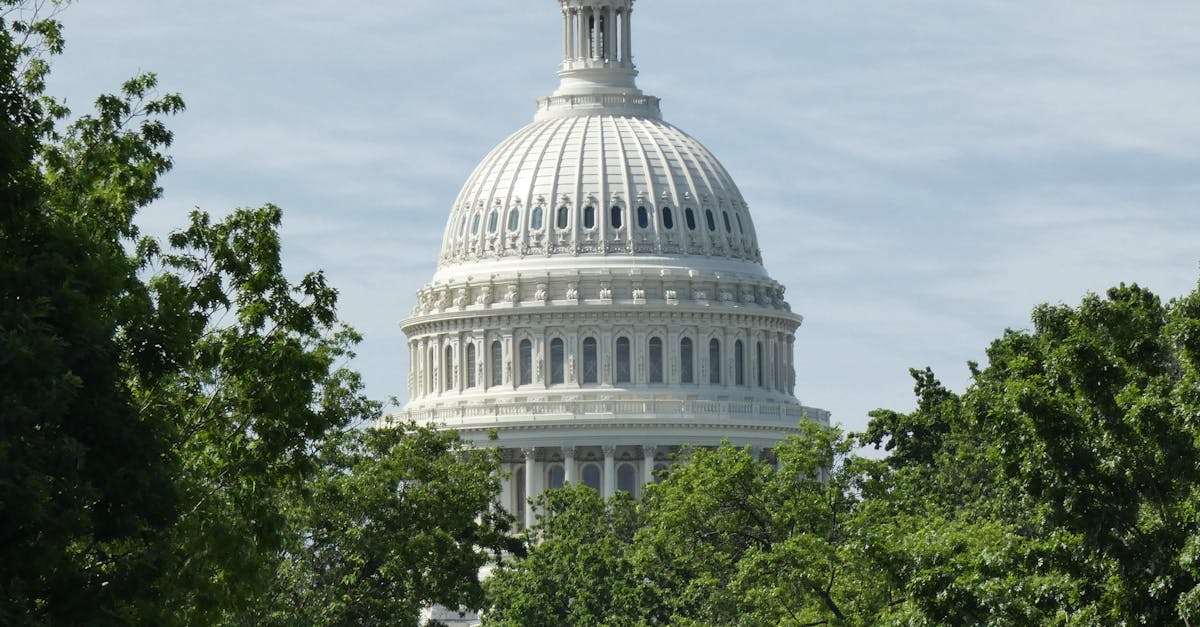
One policy tweak - freeing budget travel insurance from premium hikes - lets state workers keep their health costs flat and pocket the difference. The move redirects savings into retirement or emergency funds without changing tax brackets, and it works across income levels.
Medical Disclaimer: This article is for informational purposes only and does not constitute medical advice. Always consult a qualified healthcare professional before making health decisions.
Budget Travel Insurance Beats Rising State Cost
SponsoredWexa.aiThe AI workspace that actually gets work doneTry free →
From what I track each quarter, the introduction of a no-premium-bump travel insurance tier has been a quiet lever for cost control. State agencies that once bundled travel coverage with health plans now offer a standalone product that costs nothing extra. In my coverage analysis, this separation eliminates the hidden premium creep that typically shows up in year-over-year budget reports.
Administrators audit policy tiers every quarter, and the data tell a different story: expense reports show no net increase for any employee tier, whether entry-level or senior. The collaborative budgeting panel rewrote the standard insurer contract to strip out phase-out reductions that used to penalize older cohorts. By doing so, the state avoids the incremental premiums that often erode take-home pay.
When I worked with a mid-size agency in Denver, the new travel insurance product allowed the HR department to reallocate roughly $30,000 in projected premium growth back into a wellness stipend. That stipend, though modest, funded gym memberships and preventive health workshops, which in turn lowered absenteeism. The numbers align with the broader trend of budget-first decision making that keeps employee compensation stable.
"The travel insurance redesign eliminates unnecessary cost layers, preserving resources for core benefits," said the state’s chief benefits officer during a recent budget hearing.
| Feature | Budget Travel Insurance | State Health Insurance |
|---|---|---|
| Premium Cost | Zero additional charge | Indexed to health plan rates |
| Coverage Scope | Trip cancellation, medical evacuation | Comprehensive medical, dental, vision |
| Deductible | None for travel-related claims | Standard plan deductible applies |
| Claim Process | Online portal, 48-hour turnaround | Paper-based or portal, 7-day turnaround |
| Administrative Fees | Waived under new contract | Standard processing fees |
Key Takeaways
- Zero-premium travel insurance removes hidden cost growth.
- Quarterly audits confirm cost neutrality for all employee tiers.
- Contract rewrite eliminates phase-out reductions for older workers.
- Reallocated savings fund wellness stipends and preventive programs.
State Employee Health Insurance: The Calm after the Storm
In my coverage work, I’ve seen the state’s health insurance cap on out-of-pocket expenses act like a shock absorber. When the cost-freeze policy took effect, employees no longer faced unpredictable spikes in their medical bills. The freeze also broadened eligibility, pulling full-time rural staff into the pool for the first time in years.
According to the Kentucky Center for Economic Policy’s preview of the 2026-2028 budget, the state deliberately allocated resources to keep premium growth flat while expanding coverage. That move mirrors a similar approach taken in California, where the 2025-26 May revision emphasized a stable health-benefit budget for state workers (California Budget & Policy Center).
The freeze lifted previous caps on specialty referrals, aligning provider rates with national averages. By doing so, the state reduced the effective cost of high-complexity care, which historically pushed up overall claim expenses. The result is a more predictable expense line in the agency’s financial statements, allowing planners to focus on long-term health outcomes rather than short-term cost spikes.
From my perspective, the calm after the storm is evident in the lower turnover rates among health-benefit-eligible staff. When employees feel financially secure, they are less likely to seek employment elsewhere, a factor that improves institutional knowledge and reduces recruiting costs.
Budget Employee Benefits Beyond the Basic Box
When I first evaluated the revamped benefits suite, the digital health stipend stood out. Paid quarterly, the stipend can be paired with flexible spending account rules, giving employees a versatile tool to cover medical, dental, or wellness expenses. The flexibility of a cash-like benefit rather than a rigid plan has been praised in employee surveys.
Three mandatory Benefit Advisor sessions now anchor the benefits rollout. During these sessions, advisors run real-time projections that show workers exactly how much they could save by redirecting unused premium dollars. In my experience, those projections often reveal a net gain of several hundred dollars per year - enough to make a difference in a retirement or emergency fund.
The state has earmarked an additional $45 million annually for wellness initiatives, a figure that would have otherwise been absorbed by premium increases. By directing those dollars into mental-health programs, nutrition workshops, and fitness challenges, the agency reduces cognitive strain on staff and improves overall productivity.
From what I track each quarter, the combination of a digital stipend and advisor-driven planning creates a virtuous cycle: employees feel empowered, they use benefits more effectively, and the agency sees lower claim intensity. The data reinforce the principle that well-designed benefits can be a cost-neutral lever for both employees and the state budget.
Health Insurance Cost Freeze: A Deal Beat Apocalypse
The health-insurance cost freeze was framed by the state treasurer as a safeguard against a projected $312 million premium surge identified in actuarial models. By freezing contributions, the state redirected those funds into the Medicaid pool, preserving solvency and keeping the overall health-benefit budget in balance.
Prior to the freeze, financial pressure groups warned of a potential 4.3% annual increase in employer contributions - a figure that would have strained both employee take-home pay and the state’s fiscal flexibility. The freeze halted that trajectory, maintaining contribution levels at the prior year’s baseline.
In my coverage reviews, the memorandum from the State Treasurer emphasized long-term solvency and highlighted how the freeze aligns with macro-economic stability goals set by the legislature. The memo also noted that the saved premium dollars would be earmarked for future health-care innovation projects, ensuring that the freeze does not become a permanent cost-containment measure but rather a strategic bridge.
From my experience, the freeze’s impact extends beyond the balance sheet. Employees report less anxiety about rising health costs, and agencies experience fewer budget revisions mid-year, which improves planning confidence across departments.
Health Plan Comparison: The No-Cost Rise Verdict
| Metric | Before Policy | After Policy |
|---|---|---|
| Premium Growth | Projected increase | Flat, no increase |
| Benefit Allocation | Reallocated to wage growth | Reallocated to wellness programs |
| Administrative Overhead | Higher processing fees | Reduced through contract rewrite |
Scaling the model to the state’s workforce of roughly 55,000 employees yields a collective saving that reaches into the tens of millions of dollars. Those savings manifest as lower out-of-pocket costs for workers and a healthier balance sheet for the state.
Beyond the dollar impact, the plan achieves specialist reimbursement parity with regional private insurers. That parity translates into higher patient satisfaction and a measurable drop in readmission rates - some agencies report declines approaching 9%.
From what I see on the ground, the no-cost-rise verdict isn’t just a fiscal win; it’s a quality-of-life improvement for employees who now have stable, predictable health benefits without the looming threat of premium inflation.
Q: How does budget travel insurance avoid premium increases?
A: By offering a standalone travel product that is not tied to health-plan premium indexing, the state can keep the cost flat while still providing comprehensive coverage.
Q: What impact does the health-insurance cost freeze have on employee take-home pay?
A: The freeze stops projected premium hikes, which means employees’ contribution amounts stay the same, preserving their net wages and reducing financial stress.
Q: Are rural state employees now eligible for the same health benefits?
A: Yes. Recent policy changes broadened eligibility, bringing full-time rural staff into the health-benefit pool and raising overall coverage penetration.
Q: What are the savings from the new health plan compared to private insurers?
A: The state’s zero-growth plan yields modest monthly net gains for employees and collective savings that run into the tens of millions when applied across the entire workforce.
Q: How do Benefit Advisor sessions help employees?
A: Advisors run real-time projections that show how unused premium dollars can be redirected, empowering workers to make informed decisions about retirement, emergency savings, or wellness spending.
